
What Is Earthworks & Excavation?
A block can look ready to build on until the first machine gets on site. Then the real picture shows up - soft ground, poor drainage, uneven levels, buried rock, fill that was never compacted properly, or access that is tighter than expected. That is where the question of what is earthworks & excavation becomes more than a definition. It becomes the difference between a site that performs properly and one that causes delays, extra cost, and ongoing issues.
What is earthworks & excavation?
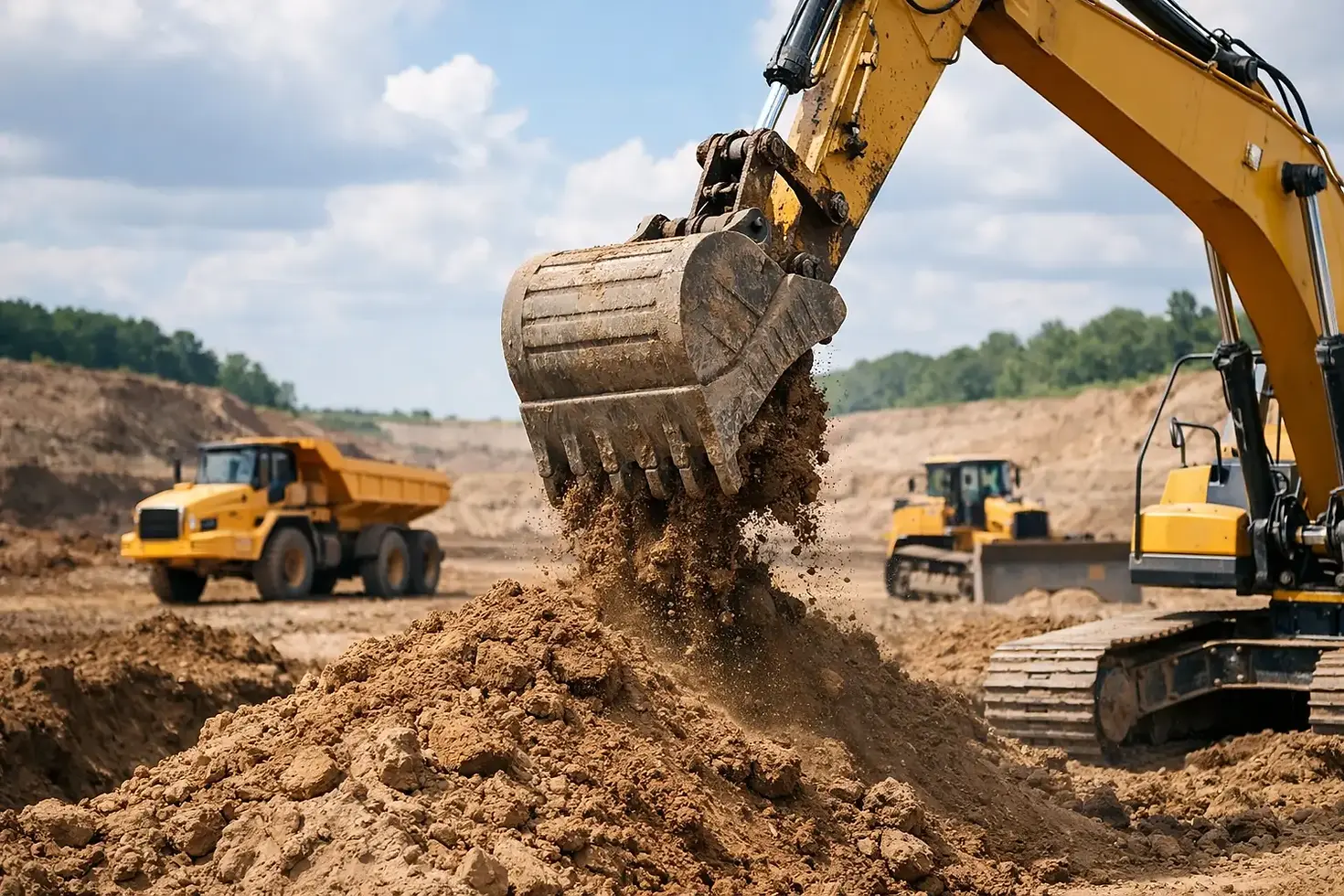
Earthworks & excavation is the process of cutting, moving, shaping, and compacting soil, rock, and other ground materials to prepare land for construction or infrastructure. In practical terms, it is how a site is brought to the levels, grades, and conditions needed for whatever comes next - a house pad, driveway, shed slab, retaining wall, drainage system, access road, car park, or larger civil works.
It is not just about digging a hole. Proper earthworks involve understanding the ground, removing unsuitable material, controlling water, creating stable formations, and making sure the finished surface matches the design and engineering requirements. On many projects, this stage sets the standard for everything that follows.
Why Earthworks & excavation matters so much
Most problems on a construction site do not start with the concrete or the framing. They start underneath. If the ground has not been cut and prepared correctly, the job above it is already under pressure.
A poorly excavated site can lead to drainage problems, movement in slabs, premature cracking, erosion, access issues for machinery, and expensive rework. Even something as simple as getting the fall wrong around a building can create long-term water problems. That is why earthwork excavation needs to be done with accuracy, not guesswork.
For homeowners, that might mean getting a house site level and stable before the builder starts. For rural properties, it might mean shaping land for access tracks, shed pads, or drainage lines that hold up in wet weather. For builders and developers, it often means coordinating bulk cut and fill, spoil removal, and compaction so the programme stays on track.
What is included in Earthworks & excavation?
The scope can vary a lot depending on the site and the end use, but earthwork excavation usually includes several connected tasks rather than one isolated activity.
The first is site stripping. This involves removing vegetation, topsoil, rubble, unsuitable fill, or any material that cannot support construction. Topsoil might be stockpiled for reuse later, particularly on rural or landscaping-focused jobs.
Then comes cut and fill. Cutting means excavating high areas down to the required level. Filling means placing suitable material in low areas and compacting it in layers to build the site up. The aim is to create the right finished level without leaving soft spots or unstable ground.
Earthworks also often include shaping batters, forming building pads, preparing subgrades for driveways or roads, trenching for services, and managing stormwater flow. On some projects, rock excavation is part of the scope, which changes both the method and the machinery needed.
Compaction is a major part of the work. Material that is simply pushed into place is not enough. It needs to be placed and compacted correctly to reduce settlement and improve stability. This is one of the biggest differences between a quick tidy-up and proper excavation work.
The difference between excavation and earthworks
People often use the terms interchangeably, and that is understandable, but there is a difference.
Excavation usually refers to the act of digging or removing material. Earthworks is broader. It covers the full process of changing the land to suit a project, including excavation, filling, trimming, compaction, drainage shaping, and spoil management.
So if someone asks what is earthwork excavation, the practical answer is this: it is excavation as part of a bigger site preparation process. It is not only about removal. It is about achieving a finished, usable, build-ready result.
Common projects that need earthworks & excavation
In residential and rural work, earthwork excavation is often required before any visible construction begins. House pads are a common example. The block may need to be cut into a slope, filled in sections, retained, or levelled to meet the building design.
Driveways and access roads also rely on good earthworks. If the subgrade is not prepared properly, the finished surface will not last. Water will find weak points quickly, especially on rural sites or properties with heavier traffic.
Retaining wall projects usually involve excavation at the base, management of spoil, drainage preparation behind the wall, and reshaping the surrounding ground. Shed slabs, hardstands, culvert installations, stormwater systems, and demolition site clean-ups can all include some form of earthwork excavation as well.
On civil and commercial jobs, the scale increases, but the principle stays the same. The site has to be prepared to the right level, the right standard, and the right sequence.
What affects the cost and complexity?
Two blocks of the same size can have very different earthwork costs. That is because the ground conditions and site constraints usually matter more than the square metre rate people expect.
Slope is one factor. Steeper sites generally require more cutting, more spoil handling, and sometimes retaining or staged access. Ground type is another. Clean soil is one thing. Rock, saturated ground, buried debris, or uncontrolled fill can slow production and add disposal or treatment costs.
Access also matters. If machinery has limited room to work, productivity drops. Tight suburban sites, restricted entries, overhead powerlines, neighbouring structures, and wet-weather limitations all affect how efficiently the job can be done.
Then there is the question of where the material goes. Some sites balance cut and fill well, which means excavated material can be reused on site. Others generate excess spoil that needs to be loaded out and disposed of. Haulage and tipping can become a major part of the budget.
This is why experienced contractors do not quote earthworks based on surface impressions alone. The detail underfoot and around the site usually decides how straightforward the job really is.
Why planning and machinery selection matter
Good earthwork excavation is part experience, part planning, and part having the right equipment on hand. A modern fleet helps, but machinery alone does not fix poor sequencing.
The order of work matters. You may need to establish access before bulk excavation starts. You may need drainage in place before final trim. You may need spoil removed progressively to avoid choking the site. If fill is needed, it has to be placed in a way that supports testing, compaction, and later construction stages.
Machine selection also needs to suit the job. A small site may require compact equipment to work safely without damaging surrounding areas. Larger pads or access works may be more efficient with bigger plant that can move material quickly. In some cases, multiple machines are needed to keep loading, trimming, and compaction moving together.
That is where an end-to-end contractor can make life easier. Instead of splitting excavation, machinery, spoil handling, and follow-on works across separate operators, the project can be managed as one coordinated scope.
What to look for in an earthworks contractor
If you are comparing contractors, the best question is not just whether they can dig. It is whether they can deliver the finished ground conditions your project needs.
Look for a contractor who asks about levels, drainage, access, spoil, compaction, and what is being built on top of the site. That shows they are thinking beyond the first cut. Clear communication also matters. Earthworks can change quickly once ground conditions are exposed, so you want a team that can explain options without slowing the job down.
Local knowledge is valuable too. In areas across the Shoalhaven and Illawarra, site conditions can vary from coastal sands to reactive soils to rockier ground inland. A contractor familiar with local conditions is better placed to anticipate issues before they become expensive.
For clients who want one team to handle excavation, site preparation, concrete-related prep, retaining wall interfaces, demolition clearing, or equipment support, working with a contractor such as Coffey Civil can reduce handover problems and keep accountability clear from start to finish.
Earthwork excavation is about getting the ground right
The cleanest-looking finished job on top will only perform as well as the ground beneath it. Earthwork excavation is the stage that creates that foundation - by shaping the site, managing material properly, and preparing stable, workable conditions for construction.
If you are planning a build, rural upgrade, or civil project, it pays to look at the site early and treat earthworks as a critical part of the outcome, not just an early line item. Get the ground right first, and the rest of the job has a much better chance of running the way it should.

Comments